
Networks
Public Charging Networks: ChargePoint, FLO, and the Canadian Landscape
How the major charging operators have distributed their infrastructure across urban centres and highway corridors.
Read article →A look at the public and private networks, government rebate structures, and the uneven pace of EV adoption from British Columbia to Newfoundland.

Topics
Three focused pieces on the infrastructure, policy, and regional spread of EV charging across Canada.
Networks
How the major charging operators have distributed their infrastructure across urban centres and highway corridors.
Read article →
Policy
Natural Resources Canada’s ZEVIP program and how provincial top-ups vary from Quebec to Alberta.
Read article →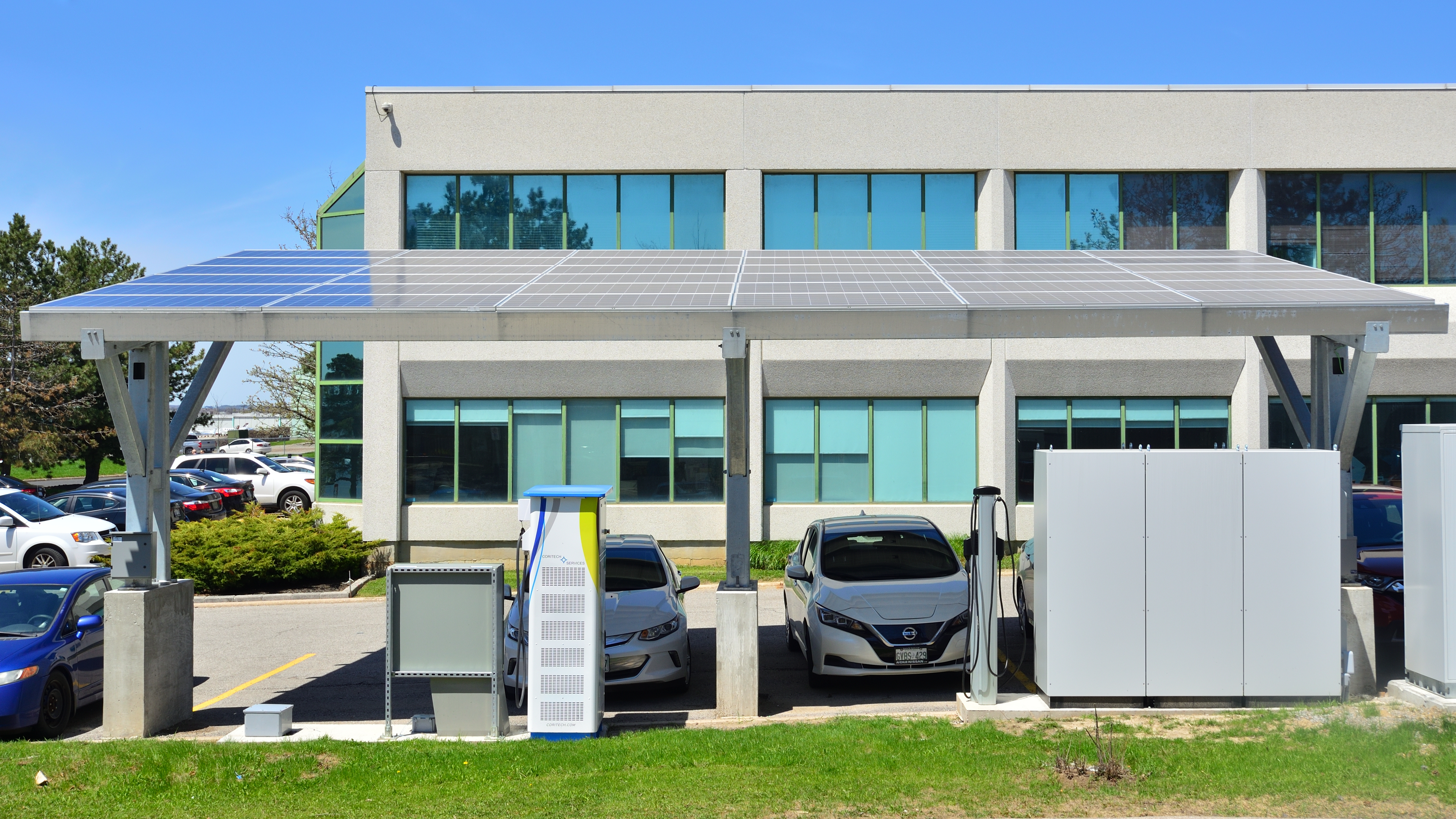
Trends
Registration data and infrastructure density show a sharp geographic divide in Canada’s electric vehicle uptake.
Read article →Overview
Canada’s charging network has grown considerably since the early 2010s, but coverage remains concentrated in a handful of provinces and metropolitan areas.
FLO (AddÉnergie), ChargePoint, and Tesla operate the largest publicly accessible charging footprints in Canada. Each network uses a distinct connector and payment model, though the sector has moved toward broader CCS and NACS compatibility in recent years.
Natural Resources Canada administers the Zero Emission Vehicle Infrastructure Program (ZEVIP), which funds Level 2 and DC fast-charging installations at workplaces, multi-unit residential buildings, and public sites. Eligible costs include hardware, installation, and associated electrical upgrades.
British Columbia and Quebec account for the majority of registered zero-emission vehicles in Canada. Both provinces have paired federal funding with their own incentive layers and, in Quebec’s case, a zero-emission vehicle sales mandate that requires manufacturers to meet annual registration targets.
Corridor coverage along the Trans-Canada Highway has improved through targeted ZEVIP funding rounds, but many rural and northern communities remain without reliable public fast-charging. Range anxiety continues to influence purchase decisions outside of major urban centres.